





Gluteus Medius and Minimus Tears
Anatomy of the Gluteus Medius and Minimus Muscles
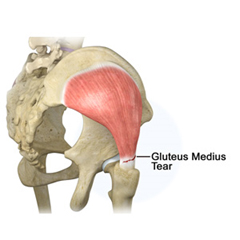
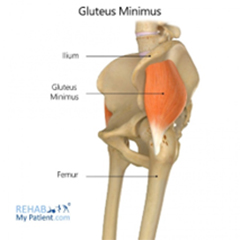
The gluteus medius and gluteus minimus are two of the most important muscles responsible for hip stability and lower-body movement. These muscles originate from the upper portion of the pelvic bone and attach to the outer aspect of the thighbone (femur) at the greater trochanter through strong tendons.
Together, the gluteus medius and minimus function primarily as hip abductors, controlling side-to-side movement of the leg and keeping the pelvis level during walking and standing. Proper function of these muscles is essential for a smooth, balanced gait and for protecting the hip joint from excessive stress.
What Is a Gluteus Medius or Minimus Tear?
A gluteus medius or minimus tear occurs when one of these tendons is partially or completely torn, most commonly at its attachment to the greater trochanter of the femur. These injuries may result from acute strain, repetitive overuse, or gradual tendon degeneration.
Because of their critical stabilizing role, tears of the gluteus medius or minimus are often referred to as hip abductor tendon tears and are a common but frequently underdiagnosed cause of persistent lateral hip pain.
Causes of Gluteus Medius and Minimus Tears
Gluteal tendon tears can occur for a variety of reasons, including:
- Repetitive stress from running or high-impact sports such as soccer or basketball
- Sudden increases in activity or explosive movements
- Poor flexibility or weakness of the hip and core muscles
- Traumatic injury or falls
- Chronic overuse or tendinitis leading to tendon degeneration
- Age-related wear and weakening of the tendon
These symptoms often overlap with hip bursitis, which is why careful evaluation is essential.
Symptoms of Gluteus Medius or Minimus Tears
Symptoms often develop gradually but may worsen over time. Common signs include:
- Pain and tenderness along the outer side of the hip
- Pain with walking, climbing stairs, running, or prolonged standing
- Discomfort when lying on the affected side
- Hip weakness and difficulty maintaining balance
- Limping or an abnormal walking pattern
A hallmark finding is Trendelenburg’s sign, in which the pelvis drops toward the opposite side during walking due to weakness of the affected hip abductor muscles.
Diagnosis of Gluteus Medius and Minimus Tears
Diagnosis begins with a comprehensive physical examination, including assessment of hip strength, range of motion, and gait. Specific tests—such as a single-leg stance or identification of a positive Trendelenburg sign—help identify abductor dysfunction.
Advanced imaging is often used to confirm the diagnosis:
- MRI provides detailed visualization of the tendons and surrounding soft tissues
- Ultrasound may also be used to assess tendon integrity and inflammation
Accurate diagnosis is essential, as symptoms can closely mimic hip bursitis or lumbar spine conditions.
Treatment Options for Gluteus Medius and Minimus Tears
Non-Surgical Treatment
Many partial tears and degenerative tendon conditions can be treated successfully without surgery. Initial treatment focuses on reducing pain and inflammation and restoring muscle function. This may include:
- Activity modification and rest
- Ice and anti-inflammatory medications
- Targeted physical therapy to strengthen the hip abductors and improve biomechanics
- Corticosteroid or biologic injections when appropriate
- Use of a pillow between the legs during sleep to reduce tendon strain
- Temporary use of a cane or crutches to allow pain-free walking
Surgical Treatment
Surgery may be recommended for complete or full-thickness tears, or when symptoms persist despite appropriate conservative care. When indicated, repair can often be performed using minimally invasive endoscopic (arthroscopic) techniques.
Through small incisions, the torn tendon is reattached to the greater trochanter using specialized sutures and anchors. This approach minimizes soft-tissue disruption while restoring strength, stability, and function of the gluteus medius and minimus muscles.
Recovery After Gluteus Tendon Repair
Recovery following gluteus tendon repair is gradual and carefully structured to protect the repair:
- Crutches are typically used for approximately 6–8 weeks to reduce stress on the tendon
- A hip brace is often utilized to protect the repair for 6 weeks
- Physical therapy will be very important after surgery and will progress in stages
- Specific movement precautions are required to prevent re-injury
- Full healing and return to higher-level activity may take up to 4 months or longer, depending on the extent of the repair
Why Choose Dr. J. Pieter Hommen for Gluteus Medius and Minimus Tear Treatment?
Dr. J. Pieter Hommen is a fellowship-trained orthopedic surgeon with more than 20 years of experience in hip arthroscopy and hip preservation surgery. At OrthoMiami, his practice is dedicated to identifying the true source of hip pain and delivering individualized, evidence-based care.
Dr. Hommen has extensive expertise in diagnosing and treating extra-articular hip conditions, including gluteus medius and minimus tears, chronic lateral hip pain, and peritrochanteric disorders that are often misdiagnosed or undertreated.
His treatment philosophy emphasizes:
- Precise diagnosis and careful patient selection
- Exhausting non-operative options whenever appropriate
- Minimally invasive, tissue-sparing surgical techniques when surgery is necessary
Patients choose Dr. Hommen for his:
- Fellowship training in advanced orthopedic and arthroscopic surgery
- Over two decades of focused hip arthroscopy experience
- Expertise in complex tendon and soft-tissue hip pathology
- Thoughtful, patient-centered approach to care
The goal is always to relieve pain, restore stability and function, and help patients return safely to their daily activities and athletic pursuits—without unnecessary intervention.