







How to Prepare for Hip Arthroscopy and Open Tendon Repair Surgery-and What to Expect Afterward
What to Expect After Hip Surgery at OrthoMiami
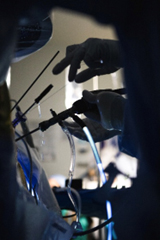
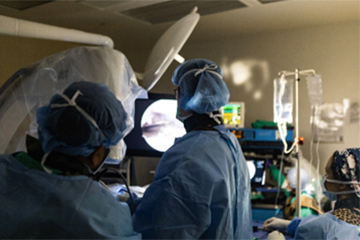
Hip surgery at OrthoMiami-including hip arthroscopy, open or arthroscopic gluteus and hamstring tendon repairs, and piriformis tendon release-is designed to be minimally disruptive while effectively treating your hip condition. Recovery timelines and activity restrictions vary depending on the type of procedure and the complexity of the repair.
Understanding what to expect after surgery can help support a faster, safer recovery and optimize outcomes.
Outpatient and Same-Day Surgery
Many hip procedures-including arthroscopic hip surgery, open or arthroscopic gluteus and hamstring tendon repairs, and piriformis tendon release-can be performed on an outpatient basis. This means you can often return home the same day.
Our experienced anesthesia and nursing teams focus on:
- Maximizing comfort
- Reducing nausea and grogginess
- Managing postoperative pain efficiently
Anesthesia During Surgery
Surgical anesthesia may involve:
- General anesthesia to ensure comfort during the procedure
- Long-acting nerve blocks to control pain after surgery
- Local anesthetic injections around the surgical site
This multimodal approach reduces the need for strong opioid medications and helps patients begin recovery with minimal discomfort.
Pain Expectations
Pain after hip surgery is typically manageable and varies by procedure:
- Arthroscopic hip procedures often involve mild to moderate discomfort
- Open gluteus or hamstring tendon repairs and piriformis releases may result in more initial soreness due to tissue manipulation
Most patients are able to control pain using:
- Acetaminophen (Tylenol)
- NSAIDs (ibuprofen, naproxen)
- Short-term opioid medications, if necessary
Medications
Your physician may prescribe medications to:
- Reduce inflammation and prevent heterotopic bone formation
- Lower the risk of blood clots (aspirin or other anticoagulants)
- Control nausea if needed
A personalized medication plan will be provided before discharge.
Preparing Your Home
Nutrition and Hydration
Stock up on nutritious foods that support healing, including:

- Fruits rich in antioxidants and vitamin C
- Vegetables high in vitamins A and C
- Lean proteins and iron sources
- Healthy fats, whole grains, and probiotics
- Adequate water intake
Safety and Accessibility

- Remove throw rugs and obstacles to reduce fall risk
- Make walking paths clear and accessible
- Consider relocating your sleeping area to the first floor if stairs are challenging
- Arrange for a caregiver to assist with daily tasks during the first week
Assistive Devices
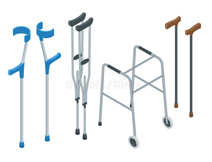
- Crutches or a walker are commonly used for gluteus, hamstring, or piriformis procedures
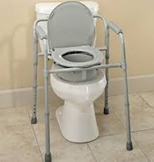
- Elevated seating, a shower chair, or 3-in-1 commode may be helpful
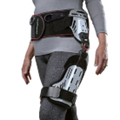
- A hip brace may be recommended to protect tendon repairs, especially after open or arthroscopic gluteus or hamstring repair
Continuous Passive Motion (CPM)
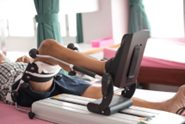
A CPM machine may be prescribed after certain hip arthroscopy procedures (e.g., labral repair, cartilage procedures) to gently move the hip while reducing stiffness. CPM machines are not typically used after gluteus, hamstring, or piriformis tendon repairs.
Cold Therapy
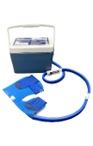
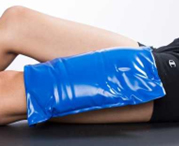
Ice therapy helps reduce pain and swelling. Use gel packs or cryotherapy devices for 30–45 minutes at a time, several times per day during the first 72 hours after surgery.
Assistance After Surgery
Having a family member, friend, or caregiver is highly recommended to:
- Drive you home after surgery
- Assist with daily activities such as cooking, cleaning, or shopping
- Monitor incision sites for signs of infection
Students or athletes should inform their school or athletic staff in advance about temporary activity limitations.
Bracing, Weight-Bearing, and Activity Restrictions
- Hip arthroscopy for hip impingement (FAI) and labrum repair is usually treated in a brace for ~3 weeks
- Gluteus or hamstring tendon repairs: bracing and restricted weight-bearing may be required for up to 6 weeks
- Piriformis tendon release: restrictions vary depending on whether the procedure was open or arthroscopic
Gentle activity is encouraged, but patients should avoid prolonged bed rest and adhere strictly to weight-bearing guidelines.
Incision Care
Prior to Surgery:
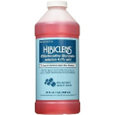
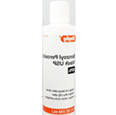
- Wash the hip region 24 hours prior to surgery with Hibiclens scrub and Benzoyl Peroxide to disinfect the skin.
After Surgery
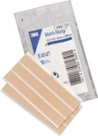
- Keep keyhole or open incision sites clean and dry
- Dressings are typically removed after 72 hours
- Showering is allowed once dressings are removed
- Avoid baths, pools, hot tubs, or saunas for 3+ weeks
Mild bruising and swelling are normal during early recovery.
Driving Restrictions
- Labral and impingement procedures: typically avoid driving for ~3 weeks
- Gluteus and hamstring repairs or piriformis release: driving may be restricted for 6-8 weeks or longer
Vehicle type and seat height should also be considered to avoid hip strain.
Physical Therapy
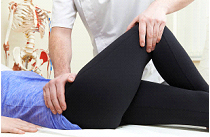
Rehabilitation is essential for all hip procedures, including arthroscopy and tendon repairs. OrthoMiami physicians provide detailed rehab protocols tailored to:
- The type of procedure performed
- Individual healing needs and activity goals
Therapy usually begins within 48 hours post-surgery and progresses in phases focusing on:
- Reducing inflammation
- Restoring range of motion
- Strengthening and stability
- Gradual return to functional activities and sports
Consistency and adherence to the rehabilitation plan are key to a successful outcome.
OrthoMiami's Approach
At OrthoMiami, our team of fellowship-trained physicians has over 20 years of combined experience in hip arthroscopy, open tendon repair, and minimally invasive hip surgery. Recovery protocols are individualized, evidence-based, and designed to:
- Protect surgical repairs
- Reduce pain and complications
- Restore function safely and efficiently
Whether your procedure is arthroscopic or open, for labral repair, gluteus or hamstring tendon repair, or piriformis release, our goal is a smooth recovery that allows patients to return to daily life, work, and athletic activities with confidence.
For more information about hip surgery or to schedule a consultation with an OrthoMiami physician, contact our office or book your appointment online.